 GL Inspections
What causes attic problems like ice dams, frost and mould?
Most attic problems in Ontario homes come from three things working together: warm, moist air leaking up from the house, insulation that is thin or uneven, and ventilation that is blocked or unbalanced. That combination leads to ice dams at the eaves, frost and mould-like staining on the roof sheathing, and shorter shingle life, and most of it can be fixed once the cause is found.
Updated October 2026 · By Gerardo Lucero, Certified Professional Inspector (CPI)
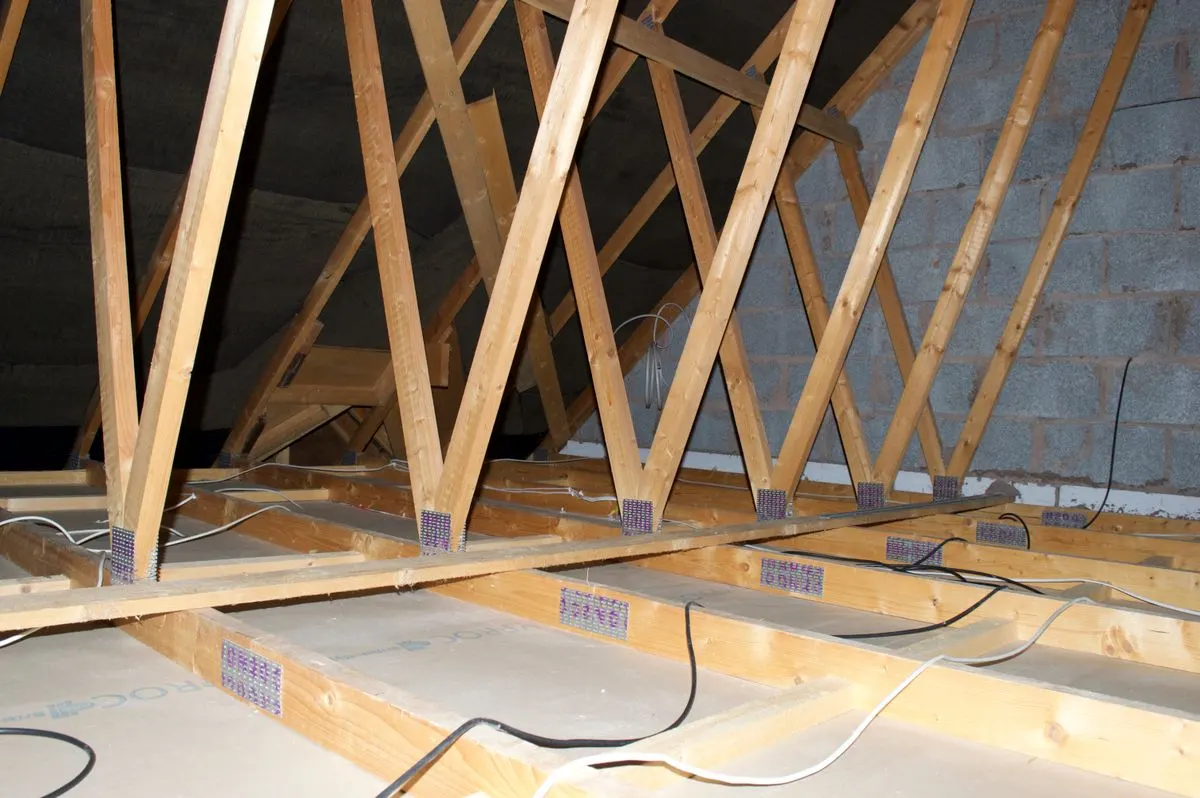
Why the attic matters more than people think
Most buyers never climb into the attic, but it's where the roof, the insulation and the house's air leaks meet. In a GTA winter, a healthy attic stays cold and dry. When it doesn't, the damage shows up later as ice along the eaves, stained ceilings or a roof that wears out early.
Five attic myths I hear, and what's actually true
Myth 1: "More vents will fix it."
Fact: Ventilation needs to be balanced: air comes in low at the soffits and leaves high at the ridge or roof vents. Ontario's Building Code sets a minimum unobstructed vent area of 1/300 of the insulated ceiling area (1/150 on low-slope roofs). Adding roof vents does little if the soffits are painted over or buried in insulation. Baffles at the eaves keep that intake path open.
Myth 2: "Ice dams mean the eavestroughs are clogged."
Fact: Clogged eavestroughs make it worse, but the root cause is heat. Warm air reaches the roof, melts the snow from below, and the water refreezes at the cold eaves. The dam then pushes water under the shingles and into walls and ceilings. The real fixes are air sealing, insulation and ventilation; heating cables only manage the symptom.
Myth 3: "If the insulation is thick, the attic is fine."
Fact: Depth matters. Natural Resources Canada recommends around R-50 (RSI 8.8) or more for attics in much of southern Ontario. But air leaks matter just as much: an unsealed hatch, pot lights, plumbing stacks and wiring holes all let moist air into the attic. A bathroom fan that dumps air into the attic instead of outside is a common cause of frost and staining.
Myth 4: "Dark stains on the plywood are just old wood."
Fact: Sometimes they are. Often they're a sign of past or ongoing condensation, especially on the north side of the roof. Rusty nail tips, frost in winter and stained or delaminating sheathing all point to moisture. I report what I see; I don't test for mould, so where it's warranted I recommend further evaluation by a specialist.
Myth 5: "Old insulation? Just blow more on top."
Fact: First find out what's there. In older GTA homes, loose grey-brown pebbly insulation may be vermiculite, which can contain asbestos and shouldn't be disturbed until tested. See my guide on vermiculite in older homes.
What I check when I go into an attic
- Access: whether the hatch is reachable, insulated and weatherstripped.
- Framing: rafters or trusses, any cracked, cut or altered members, and sagging.
- Sheathing: staining, delamination, frost, daylight at penetrations.
- Insulation: type, approximate depth and gaps, especially at the eaves.
- Ventilation: soffit intake, baffles, roof or ridge vents.
- Exhaust ducts: bathroom and kitchen fans running all the way outside.
- Signs of animals, such as droppings or nesting.
If the hatch is sealed, blocked or too tight to enter safely, I inspect from the opening and say so in the report.
Attic issues are closely tied to the roof above, so it's worth reading how long a roof lasts in Ontario. Already own the home? A homeowner inspection can find the cause before winter. Book your inspection here.
Sources
More guides
- How long does a roof last in Ontario, and how do I know it needs replacing?
- How old is too old for a furnace, A/C or water heater, and what about rental contracts?
- How do gutters, downspouts, grading and a sump pump keep water out of my basement?
- What should I check at my new-home PDI with the builder?
- What's different about inspecting a townhouse or semi-detached home?
Questions people ask
what causes ice dams on my roof
Heat escaping into the attic melts the snow from below, and the water refreezes at the cold eaves. Air leaks, thin insulation and poor ventilation are the usual causes.
how much insulation should my attic have ontario
Natural Resources Canada recommends around R-50 or more for attics in much of southern Ontario. Air sealing the ceiling matters just as much as depth.
frost in attic in winter is that normal?
No. Frost on the sheathing or nails means warm, moist air is getting into the attic, often from a bathroom fan or air leaks, and it should be corrected.
do home inspectors go in the attic
Yes, when it's accessible and safe. If the hatch is sealed or blocked, the inspector views what they can from the opening and notes the limitation.
black stuff on attic plywood is it mould
It may be. A home inspector reports the staining and its likely moisture source; confirming mould requires a specialist.
Contact us today
Book in minutes
Tell me what you need and I'll confirm timing and price, usually within the hour.