 GL Inspections
What electrical panel red flags does a home inspector look for?
I look for signs of overheating (scorching, melted insulation, a hot smell), water or rust inside the panel, open breaker slots, breakers that look too large for the wire, more than one wire under a single terminal, missing labels and signs of amateur work. Any of these means a Licensed Electrical Contractor should evaluate the panel.
Updated October 2026 · By Gerardo Lucero, Certified Professional Inspector (CPI)
Why the panel tells me so much
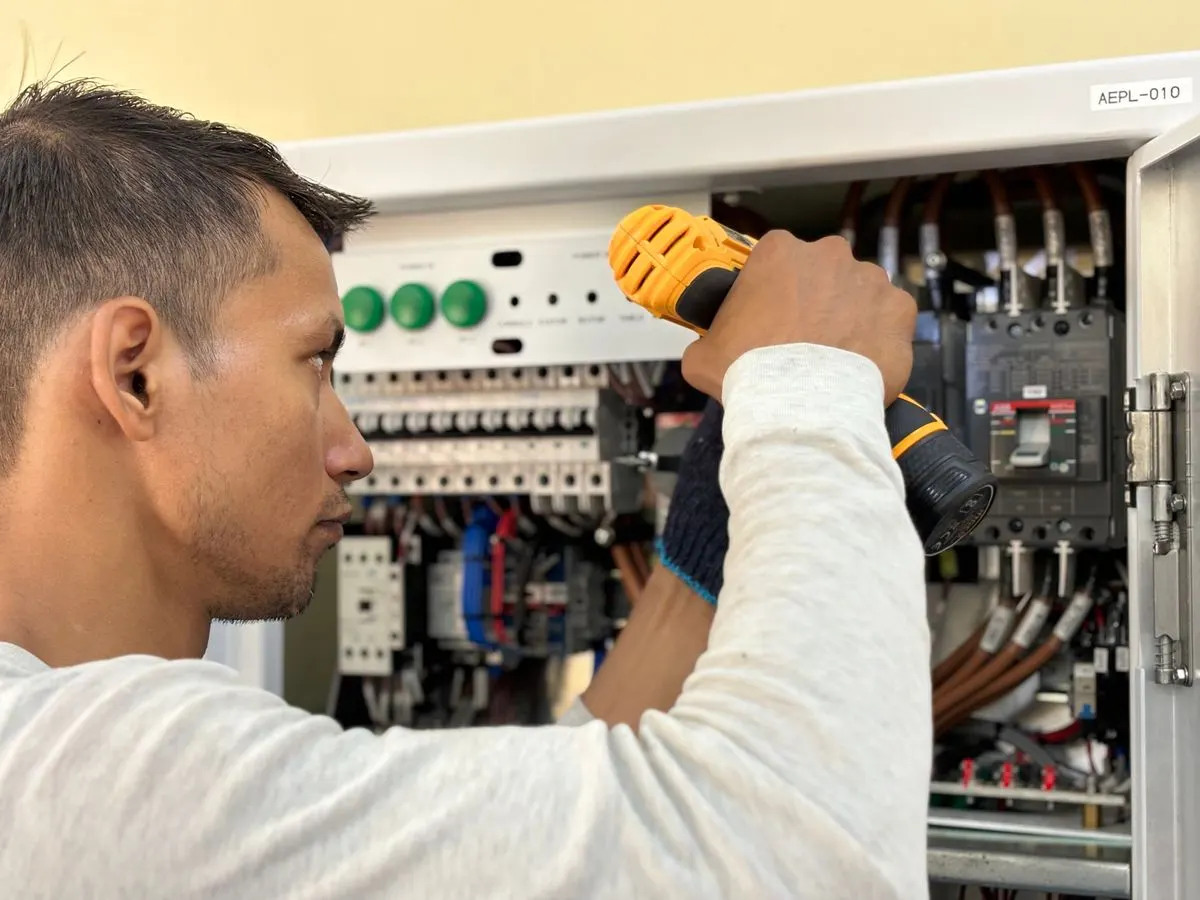
The electrical panel is where every circuit in the house starts. It is also where years of renovations, basement apartments, hot tubs and EV chargers leave their fingerprints. Under the InterNACHI Standards of Practice I inspect the service entrance, the main disconnect, the panelboard and the breakers or fuses, and I describe the main disconnect's amperage if it is labelled. Here is how I separate what is normal from what needs an electrician.
Normal vs red flag
| What I check | Usually normal | Red flag |
|---|---|---|
| Outside of the panel | Dry, accessible, cover in place | Rust, water stains, panel blocked by shelving or finished over |
| Breaker slots | Unused openings closed with filler plates | Open slots where fingers could reach live parts |
| Signs of heat | Clean breakers and wire insulation | Scorch marks, melted insulation, discoloured covers, burning smell, buzzing |
| Breaker size vs wire | Breaker matches the circuit | Breaker or fuse that looks oversized for the wire it protects |
| Connections | One wire per terminal unless the breaker is rated for two | Two wires under one terminal (double-tapping) |
| Labels | Each circuit identified | No labels, or labels that clearly don't match the house |
| Workmanship | Neat wiring, cables secured where they enter | Loose splices, unsupported cables, mixed parts that look added later |
| Fuse panels | Correct fuse sizes, no damage | Oversized fuses, signs of tampering, no room for added loads |
Beyond the panel box
A panel can look tidy and still be a problem. I also test a representative number of outlets, check that the GFCI outlets and breakers I find respond to their test buttons, and note missing smoke and carbon monoxide detectors. I also report solid-conductor aluminum branch wiring if it is readily visible. More on that in the aluminum and knob-and-tube guide.
Capacity is another question. Many older GTA homes have had air conditioning, a basement unit or an EV charger added over the years. I can report the labelled size of the main disconnect, but whether the service can safely carry the added load is a calculation for a Licensed Electrical Contractor.
Three questions to ask the seller
- What electrical work was done recently, such as pot lights, new circuits, a basement suite or an EV charger?
- Was it done by a Licensed Electrical Contractor, and was an ESA permit (notification) filed?
- Is there an ESA Certificate of Acceptance for that work?
You or your agent can also request an ESA record search before closing to check for open permits. An open permit can leave the new owner responsible for fixing defects.
The panel is one part of a full system-by-system review. See everything a home inspector checks, or the homeowner inspection if you already own the house.
Want a second set of eyes on a panel? Book an inspection.
Sources
More guides
- What is Kitec plumbing and why does it matter when buying in Ontario?
- Aluminum wiring and knob-and-tube: what are the risks and what should I do?
- Foundation cracks: when should I worry?
- What are the signs of water in the basement when buying a home?
- Vermiculite and asbestos in older homes: what should buyers know?
Questions people ask
what is double tapping on a breaker
It means two wires are connected under one breaker terminal that is designed for only one. It can loosen and overheat, so I flag it for an electrician.
is a fuse panel a problem when buying a house?
Not automatically, but fuse panels are often small for modern loads and some insurers ask about them. Check with your insurer and have an electrician advise.
why does my breaker keep tripping
A breaker that trips often is doing its job by stopping an overload or fault. Repeated tripping is a reason to call a Licensed Electrical Contractor, not to install a bigger breaker.
does the inspector open the electrical panel
I inspect the panel under the InterNACHI Standards of Practice, which is visual and non-invasive. Anything that needs testing or repair inside the panel is for a Licensed Electrical Contractor.
how do i check if electrical work had a permit ontario
Ask the seller for the ESA Certificate of Acceptance, and you or your agent can request an ESA record search before closing.
Contact us today
Book in minutes
Tell me what you need and I'll confirm timing and price, usually within the hour.