 GL Inspections
What does a home inspector actually check?
A home inspector does a visual, non-invasive check of the home's major systems: roof, exterior and grading, foundation and structure, heating, cooling, plumbing, electrical, fireplace, attic insulation and ventilation, and the interior (doors, windows, floors, stairs). Under the InterNACHI Standards of Practice, the inspector reports what is defective, unsafe or not working, and recommends a specialist where needed.
Updated October 2026 · By Gerardo Lucero, Certified Professional Inspector (CPI)
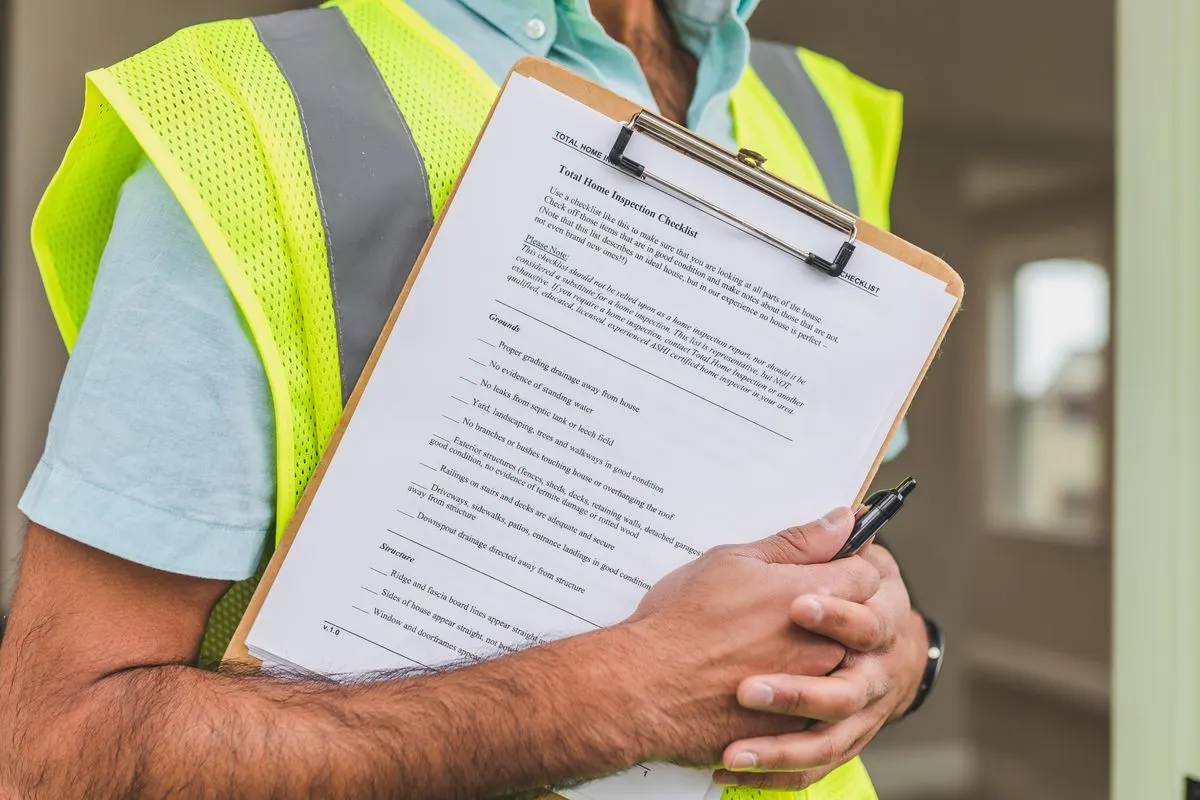
My checklist, system by system
Every inspection I do follows the InterNACHI Standards of Practice, the published list of what a home inspector must look at and report. Here is that list in plain language, the way I work through a house in Vaughan or anywhere in the GTA.
1. Roof
- Roof covering (shingles, flat roof membrane, etc.), viewed from the ground, the eaves or the roof where it is safe
- Flashing, vents, skylights, chimney and other penetrations
- Gutters and downspouts
- Signs of active leaks, including from the attic side
2. Exterior and lot
- Siding, brick, stucco, soffits and fascia
- All exterior doors and a representative number of windows
- Decks, porches, balconies, stairs and railings (including baluster spacing)
- Walkways, driveway, retaining walls and grading where they could send water toward the foundation
As a carpenter who has built decks and fences in the GTA since 2009, I look closely at ledger boards, footings, rot and loose railings.
3. Basement, foundation and structure
- Foundation walls, basement and crawl space (where it is accessible and safe)
- Signs of water coming in, a common concern in many Toronto-area basements
- Signs of movement: cracks in brick or drywall, doors out of square, sloping floors
- Wood touching soil, and framing that has been cut or notched in a worrying way
4. Heating and cooling
- Furnace or boiler run with the normal thermostat
- Central air conditioning run with normal controls, when the outdoor temperature allows it
- Energy source, heating method, thermostat location, and any system that did not respond
5. Plumbing
- Main water shut-off and fuel shut-off
- Water heater: energy source, venting, relief valve
- Faucets, showers and tubs run; toilets flushed; drains checked for flow
- Visible supply, drain and vent piping, active leaks, accessible sump pump
6. Electrical
- Service entrance, meter, main disconnect and panel
- Breakers or fuses, grounding and bonding
- A representative sample of outlets, switches and lights, including GFCI testing
- Visible solid aluminum branch wiring, and missing smoke or carbon monoxide alarms
7. Fireplace
- Visible parts of the fireplace and chimney, damper, hearth and firebox
8. Attic, insulation and ventilation
- Insulation type and approximate depth
- Attic ventilation, and exhaust fans in the kitchen, bathrooms and laundry
9. Interior
- Floors, walls, ceilings, stairs and railings
- A representative number of doors and windows opened and closed, including fogged double-pane windows
- Garage door and opener, including the photo-eye safety sensors
What "inspect" means here
A home inspection is visual and non-invasive. I don't open walls, move the seller's furniture or take things apart. I use normal controls, look at what is readily accessible, and write down what I see, with photos. When something needs a closer look, like a chimney flue or a sewer line, I recommend the right specialist. To see where the line is drawn, read what home inspectors don't check.
If you are buying, this checklist is the core of a pre-purchase inspection. Ready to have your future home checked? Book your inspection here.
Sources
More guides
Questions people ask
what does a home inspector look at
The roof, exterior, foundation and structure, heating, cooling, plumbing, electrical, fireplace, attic and interior, following the InterNACHI Standards of Practice.
do home inspectors check electrical panels?
Yes. I look at the service, main disconnect, panel, breakers or fuses, grounding, and test a sample of outlets, including GFCIs.
will the inspector go on the roof
Only where it is safe. The standards allow the roof to be viewed from the ground, the eaves or a ladder, and I report how I viewed it.
does home inspection check appliances
Household appliances are not part of the InterNACHI standard inspection, so don't count on the report to confirm the fridge or dishwasher work.
do they check inside walls
No. A home inspection is visual and non-invasive, so concealed areas inside walls are not opened.
Contact us today
Book in minutes
Tell me what you need and I'll confirm timing and price, usually within the hour.