 GL Inspections
What are the signs of water in the basement when buying a home?
Look for white chalky deposits (efflorescence) on concrete, tide-line stains, a musty smell, rust on appliance legs or nails, peeling paint and swollen baseboards, plus outside causes like soil sloping toward the house and downspouts dumping water at the foundation. In Toronto-area homes, also check for a backwater valve and a working sump pump.
Updated October 2026 · By Gerardo Lucero, Certified Professional Inspector (CPI)
The buyer's basement checklist
Basement water is one of the most common and most expensive surprises in GTA homes, especially in older neighbourhoods where heavy storms overwhelm sewers. Sellers often clean up before listing, so the evidence is usually subtle. Bring this checklist to showings and to your inspection.
Inside: on the walls and floor
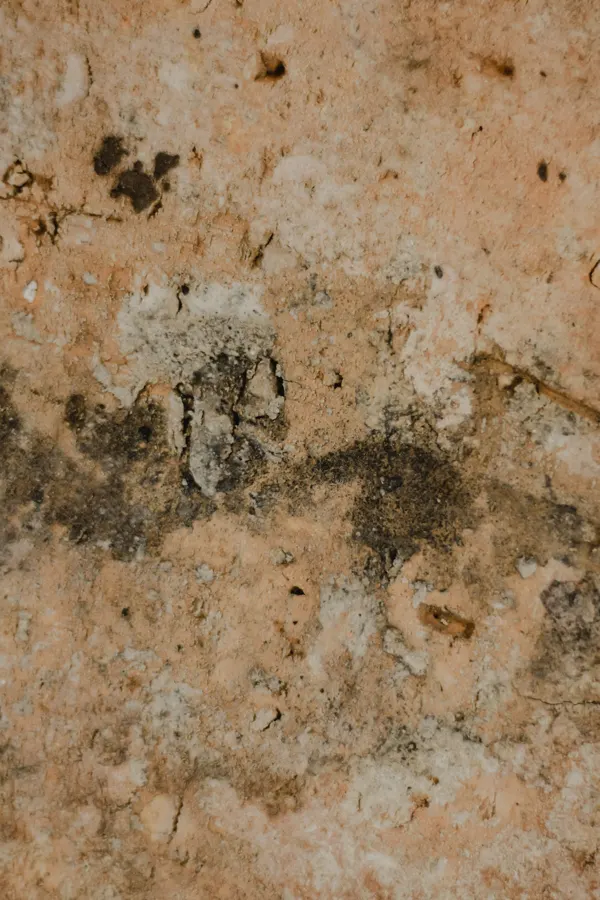
- Efflorescence: white, chalky, powdery deposits on concrete or block. They are minerals left behind when water moves through the wall.
- Tide lines: a horizontal stain at the same height along walls, boxes or furnace bases.
- Rust: on the legs of the furnace, water heater, washer or metal shelving, or on nails in baseboards.
- Finishes: peeling or bubbling paint, swollen or stained baseboards, lifting flooring, stained carpet edges.
- Fresh repairs: new drywall or paint only on the bottom 30 cm or so of the walls.
- Cracks with staining: see when foundation cracks matter.
Inside: your nose and the clues people leave
- A musty, earthy smell, especially in closets and under stairs.
- A dehumidifier running hard, or several of them.
- Boxes stored on pallets or shelves well off the floor.
- Visible dark growth on walls or the back of drywall. I don't test for mould; if I see suspected mould growth, I note it and recommend a qualified specialist.
Outside: where the water comes from
- Soil, patios or walkways sloping toward the house instead of away.
- Downspouts discharging right at the foundation, or still connected to the sewer in older Toronto homes.
- Window wells without enough clearance above the soil, or full of debris.
- Clogged or overflowing eavestroughs.
The City of Toronto recommends grading so water flows at least 2 m away from the foundation and extending downspouts and sump discharge pipes at least 2 m. More in the gutters, grading and sump pump guide.
Flood protection devices
- Backwater valve: is there one, and is its access cover reachable for cleaning? Toronto suggests cleaning it every two to three months.
- Sump pump: is there a pit, a pump, a discharge pipe going outside and ideally an alarm or battery backup?
- Floor drain: clear and not covered by flooring.
Questions to ask the seller
- Has the basement ever had water, and from where: a leak, a sewer backup or a burst pipe?
- Were there insurance claims for water?
- Was the backwater valve or sump pump installed with a permit?
What an inspection can and can't tell you
My inspection is visual. I report observed signs of active water penetration and the clues above, and I check the outside grading and drainage. I don't test for mould or air quality, and finished walls or stored items can hide evidence. That's why seller questions matter as much as what you see. It's all part of a pre-purchase inspection.
Worried about a basement? Book an inspection and I'll go through it with you.
Sources
More guides
- What is Kitec plumbing and why does it matter when buying in Ontario?
- Aluminum wiring and knob-and-tube: what are the risks and what should I do?
- What electrical panel red flags does a home inspector look for?
- Foundation cracks: when should I worry?
- Vermiculite and asbestos in older homes: what should buyers know?
Questions people ask
white powder on basement wall bad?
That white powder is usually efflorescence, minerals left by water moving through the concrete. It isn't dangerous itself, but it tells you water is getting into the wall.
do you test for mould during the inspection
No. I don't test for mould or air quality. If I see suspected mould growth I note it in the report and recommend a qualified specialist.
what is a backwater valve and do i need one
It's a valve on the main sewer line that stops sewage from backing up into the basement during heavy storms. Many Toronto-area homes benefit from one, and the City of Toronto subsidizes installation.
how do i know if a basement flooded before
Look for tide-line stains, rust on appliance legs, new drywall only at the bottom of walls and a musty smell, and ask the seller directly about past water and insurance claims.
does tarion cover a wet basement
For new homes, actual water coming through the foundation or slab is covered under the two-year warranty. Dampness and condensation are not.
Contact us today
Book in minutes
Tell me what you need and I'll confirm timing and price, usually within the hour.